
When Elastomeric Coating Makes Sense on a Charlotte Home
Oct 10, 2026 · 4 min read
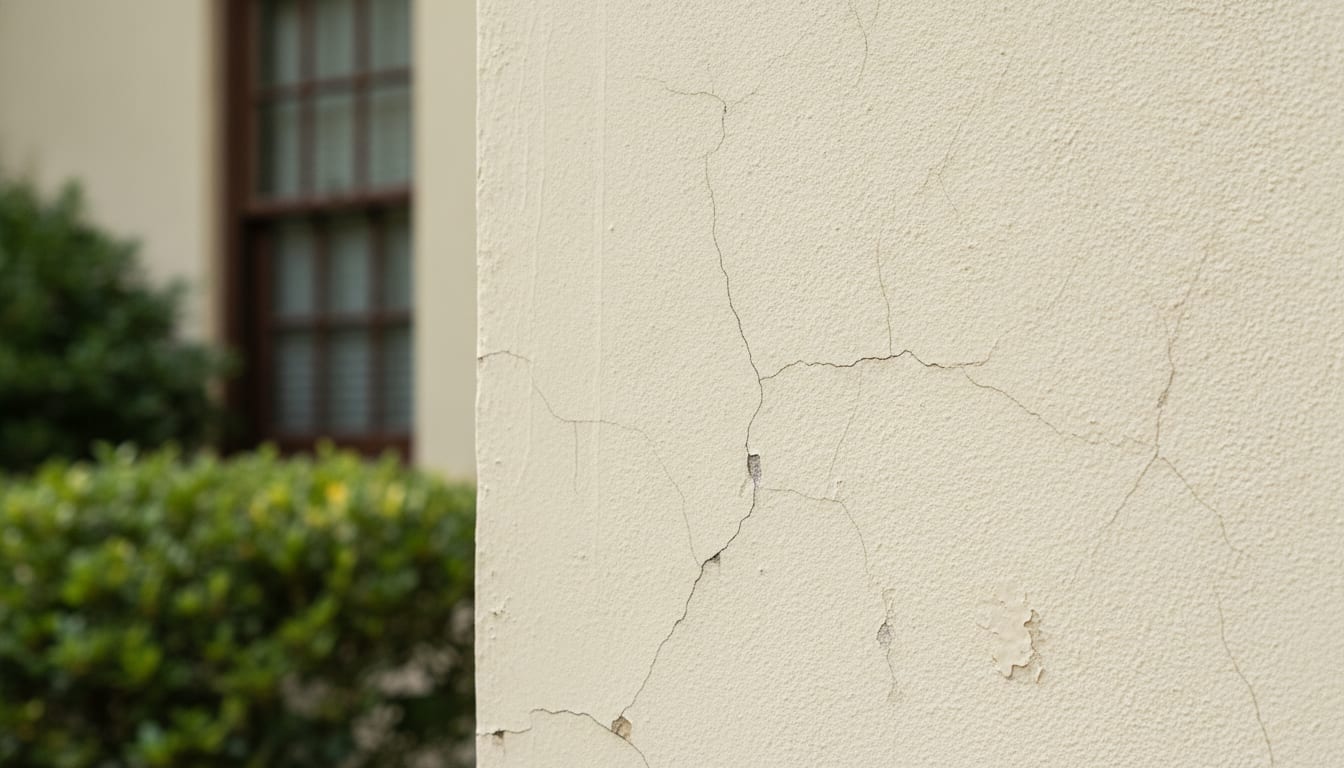
We get asked about elastomeric coating a lot, usually by someone who read about it online and wants to know if it will fix a problem a regular exterior paint job can't. Sometimes the answer is yes. Often it's no. This one is about telling the two apart.
What Elastomeric Coating Actually Does
Elastomeric coating is thick. It goes on much heavier than standard exterior paint and it stretches — it can bridge small hairline cracks in a way paint film can't. That makes it useful on certain substrates: stucco, masonry, fiber cement in rough shape, and older siding with a lot of fine surface cracking. It's not a paint you reach for out of habit. It's a tool for a specific substrate condition.
When It Makes Sense
We'll recommend elastomeric when the substrate itself calls for it — stucco with hairline cracking across a large wall area, masonry that's taking on water through the surface, or siding with a texture that won't hold a standard coat evenly. It also comes up on older homes where the existing paint film has built up and cracked over decades and a flexible membrane coat is a better match than another layer of standard paint. This is a judgment call the owner makes walking the job, not something we apply by default.
When It Doesn't
Elastomeric is not the right call on sound wood siding, original wood windows, or most of the mid-century ranch and split-level homes we see in Foxcroft and Quail Hollow. Wood needs to breathe and move with humidity and temperature. A heavy elastomeric film on wood siding can trap moisture behind it, and trapped moisture is how paint failure turns into rot. On a newer custom home in Marvin or Weddington — fiber cement or sound wood siding in good shape — standard exterior paint with proper prep does the job without the extra cost or the moisture tradeoff. We'd tell you that plainly even if elastomeric sounded like the fancier option.
Substrate Drives the Decision, Not the Neighborhood
This isn't a Myers Park-versus-Marvin question. It's a surface question. A 1920s house in Eastover might have wood siding that just needs good prep and standard paint, or it might have a stucco addition that's a real candidate for elastomeric. A custom home on wooded acreage in Marvin might have long runs of fiber cement soffit that are fine with standard paint, or a masonry foundation wall taking on water that isn't. We look at what's actually on the wall before we recommend anything.
Prep Still Comes First
Elastomeric doesn't replace prep. It still needs pressure cleaning, scraping, sanding and the right primer underneath, same as any exterior job. If a surface has mildew from a heavy tree canopy, or red clay staining along the base, that gets addressed before any coating goes on — elastomeric or otherwise. Skipping prep and relying on the thickness of the coating to hide problems is how elastomeric jobs fail early.
Timing Matters Either Way
Spring and fall are still the best windows for exterior work in Charlotte, and that holds whether we're applying standard paint or an elastomeric system. Summer is workable if we start early and stay ahead of the afternoon heat and storms. Elastomeric's heavier film means cure time and weather windows matter even more than with standard paint, so we plan around that when it's on the schedule.
How We Decide on Your House
We don't quote elastomeric sight unseen, and we don't push it as an upgrade. The owner walks the exterior, looks at the substrate, checks for cracking, moisture, and what's underneath the current paint film, and writes up what the house actually needs. If elastomeric is the right call, it's in the estimate with the reason why. If standard paint does the job, that's what we recommend — we'd rather tell you a job is smaller than you feared than sell you more coating than the house needs.
Frequently Asked Questions
Does elastomeric coating last longer than regular paint?
It can perform differently on the right substrate, mainly stucco and masonry with surface cracking, but we don't promise a specific lifespan on any coating. The estimate names the product and why it fits your surface.
Can elastomeric coating be used on wood siding?
Usually not a good idea. Wood needs to move and breathe with humidity, and a heavy film coat can trap moisture behind it. Most wood siding does better with standard exterior paint and solid prep.
Will you recommend elastomeric just because my house is older?
No. Age alone isn't the deciding factor — the substrate is. We've seen 1920s homes that need nothing more than standard paint and newer custom homes with a stucco section that's a real candidate for elastomeric. We look at the actual surface before recommending anything.
Want a number on your job?
The owner walks it with you and writes it up itemized. Free, no obligation.