
Repainting a 1920s House in Eastover: Prep Through Finish
Oct 1, 2026 · 5 min read
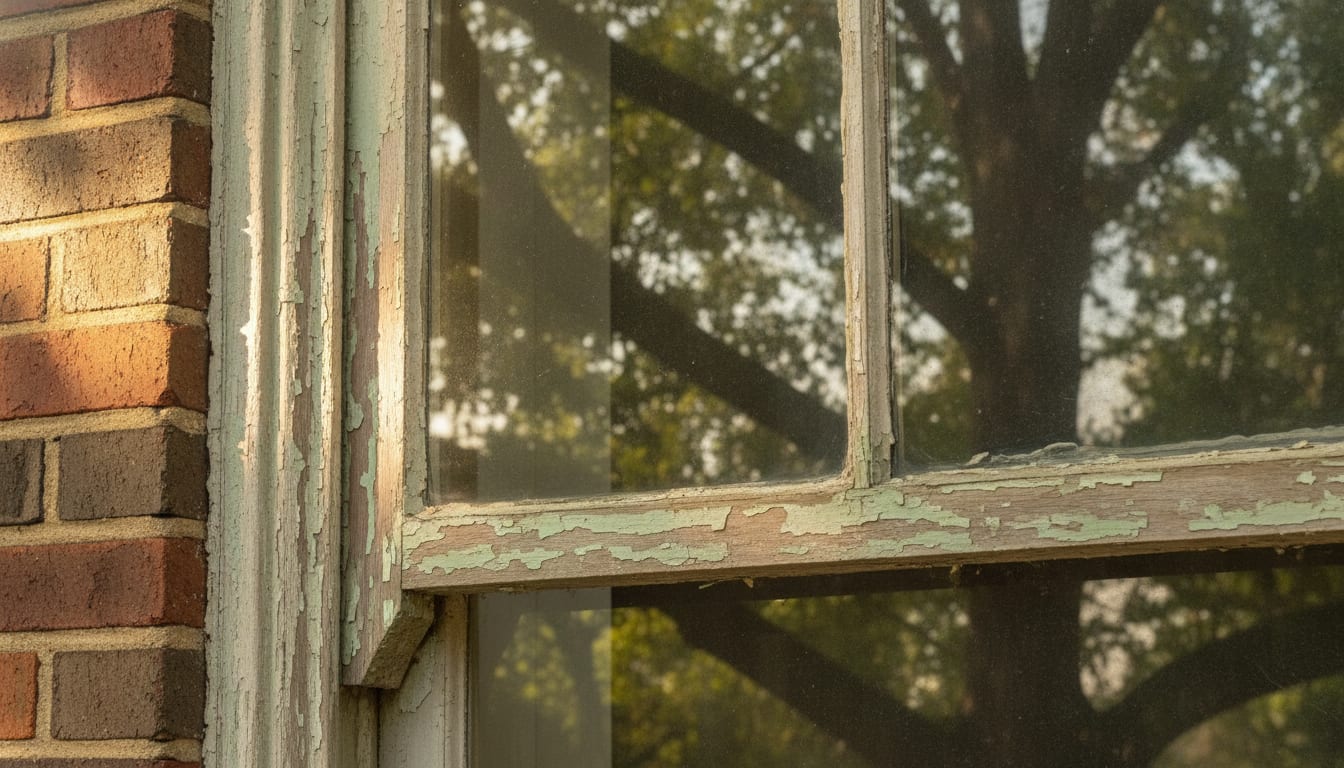
Eastover was laid out in 1927, and a lot of its houses are still wearing their original bones. Plaster walls, wood windows, deep trim profiles, and years of paint stacked on top of paint. Repainting one of these homes is a different job than painting a house built in 2005, and it pays to know what that difference actually involves before a brush touches anything.
Start With What's Under the Paint, Not the Paint Itself
Most Eastover and Myers Park homes from this era were built with plaster, not drywall. Plaster moves differently than drywall as a house settles, so it cracks differently too. Hairline cracks, nail pops around old lath, and soft spots near windows are common. The right move is plaster wall repair that matches the original profile, not a drywall patch that reads as a flat spot the day the light hits it wrong. This is one of the main reasons prep takes as long as it does on a house like this — the wall has to be made sound before anything else matters.
Pre-1978 Paint Is a Real Conversation, Not a Footnote
Any home built before 1978 may have lead-era coatings somewhere in those paint layers, especially on trim and exterior siding that's never been fully stripped. This isn't something to guess about. It's worth discussing before any sanding starts, because the approach to prep changes depending on what's actually there. We're not going to pretend this doesn't exist or skip past it — it gets addressed as part of planning the job, not after.
Trim, Windows, and the Details That Age a House Fast If Ignored
Eastover trim tends to be deep — wide baseboards, substantial window and door casings, sometimes built-up crown. When trim like that gets repainted without matching the original profile in repairs, it shows. Wood windows are their own project too. Original sash windows from the 1920s were built to be repaired, not replaced, and most of them still can be. Painting them means scraping back to sound wood, re-glazing where the putty has failed, and priming bare spots before the finish coat goes on — not just rolling color over whatever's already there.
Interior Walls: Wallpaper, Popcorn, and What's Really Underneath
A lot of these houses picked up wallpaper decades ago, sometimes more than one layer. Wallpaper removal on plaster walls has to be done carefully — plaster doesn't forgive aggressive scraping the way drywall sometimes does. Once the paper and adhesive are off, the wall gets skim coated smooth and primed before paint goes on. If a later owner added a popcorn ceiling somewhere in the house, that comes off the same way: removed, skimmed flat, primed, and finished to match the rest of the room.
Exterior Work: Timing Matters as Much as Technique
Charlotte's climate plays a real role here. Spring and fall are the best windows for exterior painting — temperatures and humidity are more forgiving, and paint cures the way it's supposed to. Summer can work if the job starts early in the morning and stays ahead of the afternoon heat and storms. Humidity slows cure time and can trap moisture under a coat if the timing's off. Eastover's mature oak canopy adds another factor: shaded siding holds moisture longer and is more prone to mildew, and pine pollen season in spring means a pressure wash right before painting, not weeks before. Red clay soil can also splash up and stain lower siding and trim, which is worth checking before repainting rather than after.
Historic District Rules in Myers Park and Nearby Streets
Parts of Myers Park fall under historic district review for exterior color changes, and the rules can differ street to street. We don't handle that approval process — that's the city's call, not ours — but we're glad to paint to whatever color is approved once you have it. If you're not sure whether your street is covered, the city planning office is the right place to ask before picking a color.
How the Job Actually Gets Done
The owner walks every job in person before pricing it, because a 1920s house with original plaster and wood windows needs a different estimate than a house with none of that history. Drywall and plaster repair are handled in house here, not subcontracted out, which matters on a house where the walls themselves need real craftsmanship before the color even gets picked. The estimate comes back written, itemized, and with no obligation attached.
A House That Rewards Patience
None of this is complicated once it's explained, but it does take longer than a newer home. The prep is most of the job. Get that right — sound plaster, repaired trim, properly primed wood windows, surfaces cleaned of mildew and pollen — and the finish coat is the easy part.
Frequently Asked Questions
Do you handle old plaster, or only drywall?
Both. A good share of our work is 1920s to 1940s plaster in Eastover and Myers Park, repaired to match the original profile rather than boarded over. Drywall installation and repair is a formal part of the business, not a subcontract.
When is the best time for exterior work in Charlotte?
Spring and fall are ideal. Summer is workable if we start early and stay ahead of the afternoon heat and storms. We schedule around the weather rather than pushing a coat on in bad conditions.
Are estimates really free?
Yes. The owner comes out, walks the job with you, and leaves you a written itemized estimate at no cost and with no obligation.
Want a number on your job?
The owner walks it with you and writes it up itemized. Free, no obligation.