
How to Read an Itemized Painting Estimate: A Charlotte Guide
Sep 28, 2026 · 4 min read
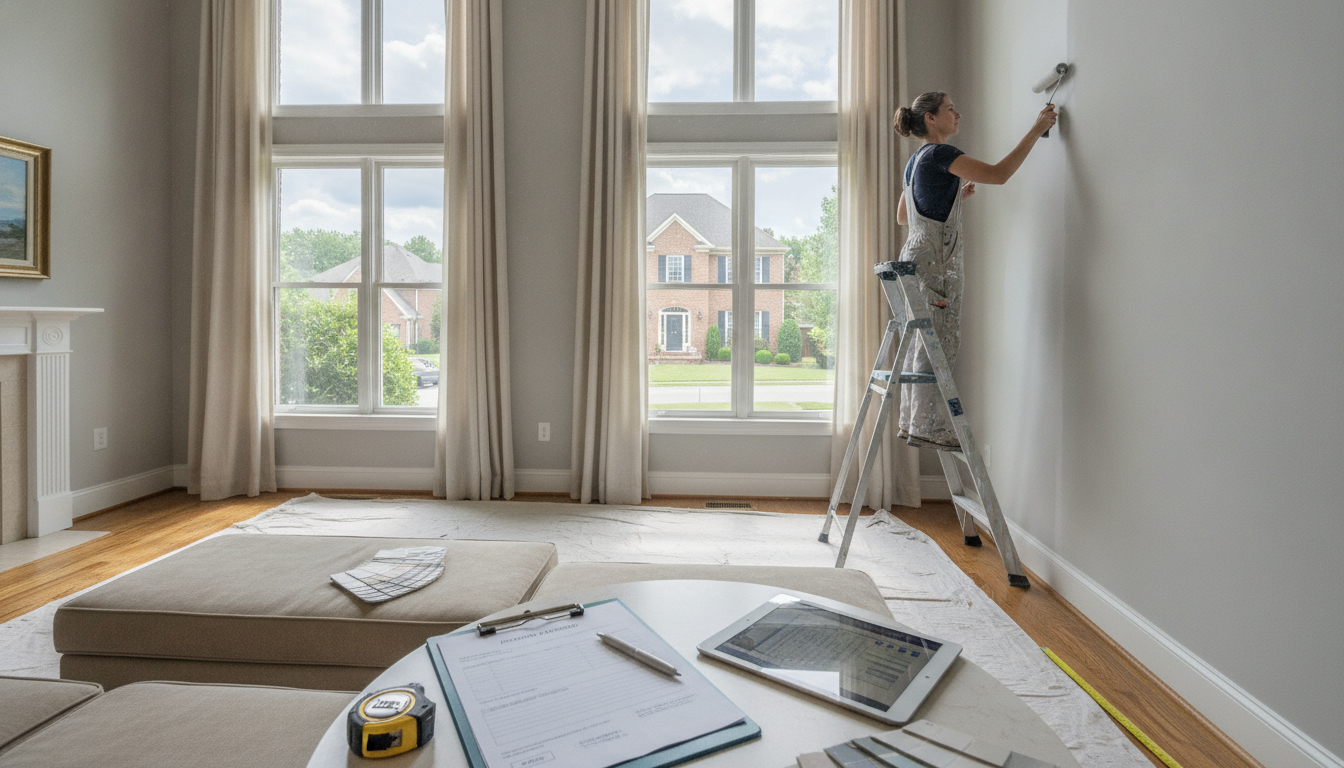
A homeowner in Eastover called us last spring holding two estimates for the same 1920s house. One was a single number on a half sheet of paper. Ours ran two pages, line by line. She asked why they looked so different. They were pricing two different jobs, even though both painters had walked the same rooms.
An itemized estimate is the best tool you have for comparing painters and understanding what you are actually paying for. Here is how to read one, section by section.
Start With the Scope, Not the Total
Skip the bottom number first. Read the top. A good estimate lists which rooms, which surfaces, and which elements are included: walls, ceilings, trim, doors, cabinetry. If your estimate just says "interior paint, three bedrooms," ask what that covers. Does it include closets? Baseboards? Window casings? Vague scope is where disputes start later.
For exterior work, the scope should name the substrate — wood siding, stucco, brick trim — and any special conditions. A mid-century ranch in Foxcroft with long original wood siding runs reads differently than a stucco home in SouthPark. A custom home on wooded acreage in Marvin with long soffits, a porch, and maybe a barn or outbuilding should have each structure listed separately, not lumped into one line.
Prep Should Have Its Own Line
Prep is most of the labor on almost every job, and it belongs on the page, not buried in a general "paint" line. Look for scraping, sanding, caulking, filling, and priming spelled out. On an older home in Eastover or Myers Park, that prep line might include plaster wall repair rather than drywall patching — the estimate should say which, since matching an original plaster profile is different work than skimming drywall mud. If you're repainting a 1920s house in Eastover, ask whether the estimate distinguishes plaster repair from drywall replacement. They are not interchangeable, and the price and method depend on the wall itself.
If your home was built before 1978, prep should also mention the lead-era paint conversation. Older coatings on wood windows and trim in Myers Park and Eastover may contain lead. A written estimate that skips this on a pre-1978 home is skipping a real consideration. We talk through it before any sanding starts.
Surface-Specific Line Items
Original wood windows, deep original trim profiles, and built-up layers of old paint all take more prep time than modern materials. A trim line that matches original profiles in an older home should be called out separately from new-construction trim, because the labor is not the same. Oak kitchen cabinets are another example — cabinet painting involves degreasing, sanding, and often two finish coats, and should appear as its own line rather than folded into "interior walls."
Products, Sheen, and Coats
A real estimate names the paint product, the sheen for each area, and the number of coats. Sheen matters room by room: a durable eggshell or satin in kitchens and baths, flatter finishes in bedrooms and ceilings, semi-gloss on trim and doors. If elastomeric coating is recommended for an exterior — common on certain stucco or masonry substrates that need extra flexibility and water resistance — the estimate should explain why that surface calls for it rather than a standard exterior coat.
Exterior-Specific Line Items to Check
Exterior estimates in this area should account for local conditions: pressure cleaning to remove mildew that builds up under a heavy tree canopy, red clay staining near the foundation line, and pine pollen residue from spring. These aren't upsells — they affect how well paint adheres and how long prep takes. Timing matters too. Spring and fall are the best windows for exterior painting in Charlotte; summer works if the crew starts early and stays ahead of the heat and afternoon storms, since humidity affects paint cure.
If you're in an HOA neighborhood like Weddington Chase or Providence Downs, or a historic district in Myers Park, the estimate should note that any color change needs approval through your HOA or the city's historic district process. A painter can match paint to an approved palette you supply, but getting that approval is on the homeowner.
Terms, Not Just Totals
Look for how the estimate handles change orders, cleanup, and site protection — floors, furniture, landscaping. None of this should carry a dollar figure you weren't told about up front. An itemized estimate protects you from surprises exactly because everything is written down before work starts.
Frequently Asked Questions
Are estimates really free?
Yes. The owner comes out, walks the job with you, and leaves you a written itemized estimate at no cost and with no obligation.
Do you handle old plaster, or only drywall?
Both. A good share of our work is 1920s to 1940s plaster in Eastover and Myers Park, repaired to match the original profile rather than boarded over. Drywall installation and repair is a formal part of the business, not a subcontract.
How soon will I hear back?
Within 24 hours. Call or text (704) 280-4264 during business hours and you will usually reach the owner directly.
If you have an estimate in hand and want a second look, or you're ready to get one started, call or text (704) 280-4264. We'll walk the job and give you a written, itemized estimate you can actually read.
Want a number on your job?
The owner walks it with you and writes it up itemized. Free, no obligation.